Follow this checklist after your heart attack to heal and stay safe. Watch this to learn more.
Watch this video to learn how aspirin works to help prevent a heart attack or stroke.
Learn how for some people chewing aspirin during a heart attack can help limit the damage.
Learn the importance of taking immediate action if you or someone else is showing the symptoms of a heart attack.
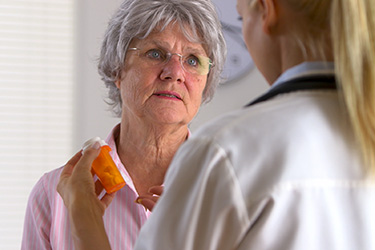
Learn how to take nitroglycerin for chest pain and stay safe. Watch this to learn more.
Watch this video to learn the importance of taking an antiplatelet medicine or a daily aspirin after a heart attack, and know when to seek care.
Find out how statin medicines help you to treat your heart disease and lessen your risk of having another heart attack.
Nitroglycerin eases chest pain (angina) by getting more blood and oxygen to your heart. Fast-acting nitroglycerin can stop an angina attack. Follow these instructions.
Nitroglycerin relieves chest pain (angina) by getting more blood and oxygen to your heart. Long-acting nitroglycerin helps prevent angina from starting.
Your health care provider prescribed nitroglycerin for you. Fast-acting nitroglycerin can stop an angina attack.
Nitroglycerin relieves chest pain caused by a lack of blood to the heart (angina) by getting more oxygen-rich blood to your heart. Long-acting nitroglycerin helps prevent angina.
Watch this video to understand how beta-blocker medicine helps the heart heal after a heart attack.
Find out which food choices are the best for heart health, and why making just a few changes in what and how much you eat can help you heal.
Understand the mix of emotions that are common after having a heart attack, learn healthful coping strategies and find out who you can turn to for emotional support.
When you have heart disease, you may experience a symptom called angina. This program helps you learn how to recognize angina, take steps to prevent angina, and treat it if you experience it.
Learn how one person's life changed after a heart attack.
Watch this to learn how to lower stress and stay positive to help your heart heal after a heart attack.
In this video learn how Dale's life was impacted by her heart attack, and how she recovered from it.
Learn how having a heart attack changed Paul Lee's life.
A heart attack occurs when a vessel that sends blood to your heart suddenly becomes blocked. Follow these guidelines for home care and lifestyle changes.
Exercise is an important part of your recovery after a heart attack.
You play an important role in your recovery after heart attack.
If you had a heart attack, ask your health care provider these questions before you leave the hospital.
What to expect when you get home, getting support and easing back into your life.
Learn how to manage your risk factors for heart attack.
Tips to returning to sexual activity after heart attack.
Learn to take care of yourself after a heart attack.
Having a heart attack not only affects your body, but also your emotions. Working through your emotions after a heart attack is a vital part of the recovery process.
Watch this video to recognize the symptoms of a heart attack.
Watch this to learn what happens in the body during a heart attack, and the signs and symptoms to look for.
Watch this to learn the most common symptoms of a heart attack for both men and women so you can quickly get help.
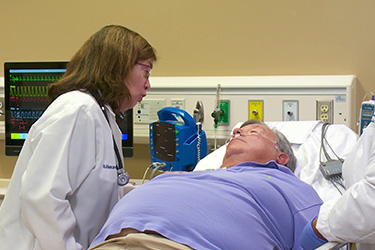
Learn how doctors find and treat a heart attack at the hospital. Watch this to know what to expect.
A heart attack is an urgent message from your heart that it's starved for oxygen. Here are the warning signs to look for--and what you need to do if they occur.
If you have risk factors for heart problems, it's important to watch for signs of a heart attack such as chest pain.
If you've had a heart attack, you are at risk for having another. Know the signs.
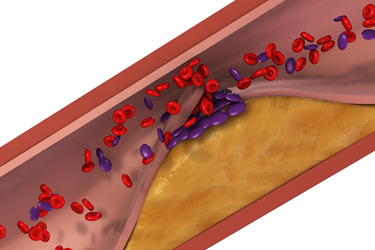
Your heart is responsible for pumping a constant supply of oxygen-rich blood to your organs and tissues. A heart attack occurs when the blood flow to your heart muscle is disrupted or stopped, usually because of heart disease.
Watch this video to understand what causes a heart attack.
There are 2 types of angina, stable and unstable. Stable angina occurs at certain times and can often be managed. Unstable angina occurs at uncertain times. It may not get better with the usual forms of treatment for angina. It is a warning that a heart attack (acute myocardial infarction) is possible in the near future.
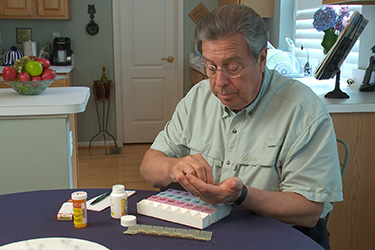
Here are some important questions to ask your healthcare providers after your heart attack.
A heart attack happens when the blood supply is cut off from the heart muscle, usually because of a blood clot. Without blood and oxygen, the muscle cells are damaged and die.
Learn about heart attack risk factors and how to stay healthy. Watch this to protect your heart.
Watch this video to learn about heart attacks and strokes in women, what raises your risk, and things you can do to help prevent a heart attack or stroke.
Quitting smoking is one of the best changes you can make for your heart. Here's how to get started.